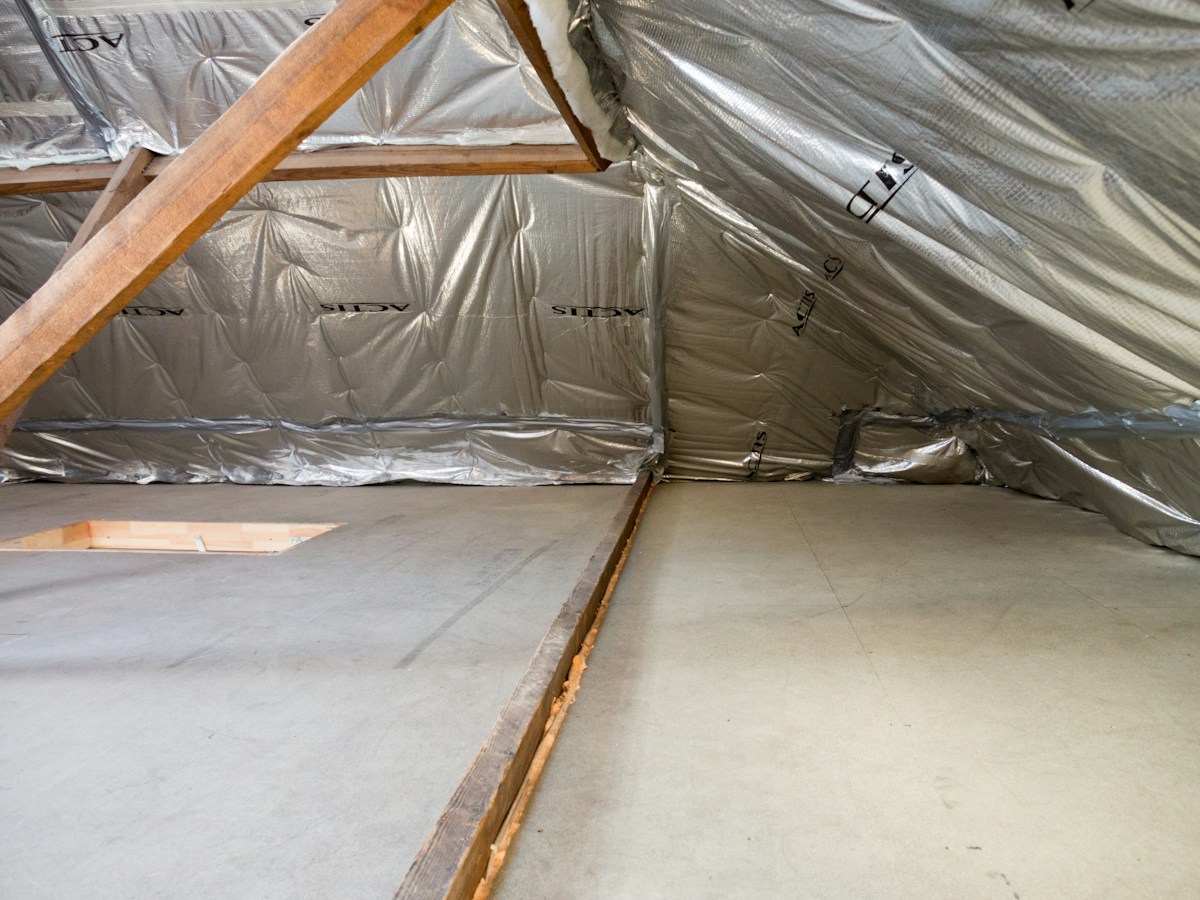
On a July afternoon in St. George, your roof can climb well above 150°F. That heat moves into the attic and, without an effective thermal barrier, into the rooms below. Your air conditioner runs longer while the upstairs still feels several degrees warmer.
Where all that heat comes from
Sun hits the roof for hours, warming the sheathing and framing. The attic absorbs that energy and radiates it downward. Air leaks around lights, ducts, and ceiling penetrations create additional pathways into your living space.
Comfort problems are rarely about one piece of equipment. Your attic, air sealing, insulation, and HVAC system all work together.
What good insulation actually does
Insulation slows heat transfer. In summer, it keeps attic heat from pushing into the house. In winter, it keeps conditioned air where you paid to put it. But depth alone is not the whole story: gaps, compression, and air leaks can undermine even a thick insulation layer.
A local rule of thumb
If your second floor heats up quickly after noon or your AC runs continuously through the evening, your attic is a smart place to start.
The right next step
Start with an inspection—not a product. A good assessment looks at insulation condition, air leakage, attic ventilation, ductwork, and how your rooms behave throughout the day. That gives you a prioritized plan instead of a guess.