Assess the attic
We inspect heat buildup, attic volume, intake ventilation, insulation, and air leakage.
Attic ventilation · Greater St. George
A properly sized attic fan can exhaust built-up desert heat, ease the load on your cooling system, and help your upstairs recover faster after a long summer afternoon.
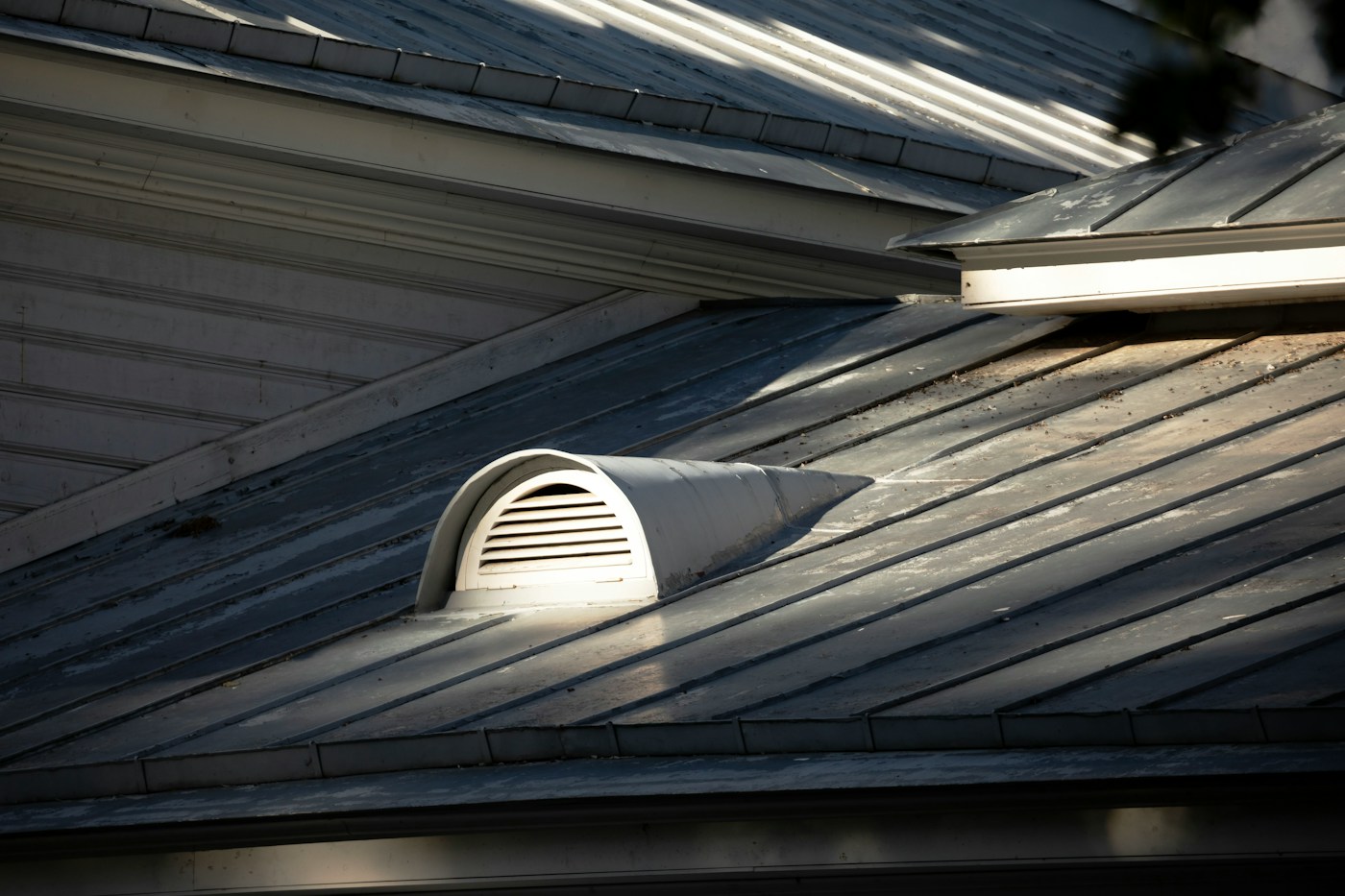
Is an attic fan right for your home?
We look at insulation, air sealing, existing soffit or gable intake, roof vents, and attic volume before recommending a fan. That prevents an oversized fan from pulling conditioned air out of the rooms below.
Stored attic heat can continue radiating downward long after outdoor temperatures fall.
Reducing attic temperature may lower the heat load above your ceiling.
We check whether intake and exhaust ventilation are balanced before adding powered ventilation.
Our approach
Attic fans are not a one-size-fits-all product. We confirm the fan will support your home’s ventilation strategy before making roof or electrical changes.
We inspect heat buildup, attic volume, intake ventilation, insulation, and air leakage.
We match fan capacity and control settings to the space rather than choosing the largest unit.
We install neatly, test operation, and show you when and how the system runs.
Common questions
It can reduce attic heat and the load above your ceiling, but results depend on insulation, air sealing, intake ventilation, and HVAC performance. We assess all four before recommending one.
Thermostat-controlled models switch on only when the attic reaches the set temperature and turn off as conditions improve.
Yes, if the attic lacks enough intake ventilation or the ceiling plane has significant leaks. That is why intake and air sealing are part of our assessment.
The current Enbridge ThermWise weatherization table does not list attic fans as a qualifying measure. We will still check available programs when preparing your quote.
Start with the attic